11,627 people live in Miami Shores, where the median age is 37.7 and the average individual income is $57,003. Data provided by the U.S. Census Bureau.
Total Population
Median Age
Population Density Population Density This is the number of people per square mile in a neighborhood.
Average individual Income
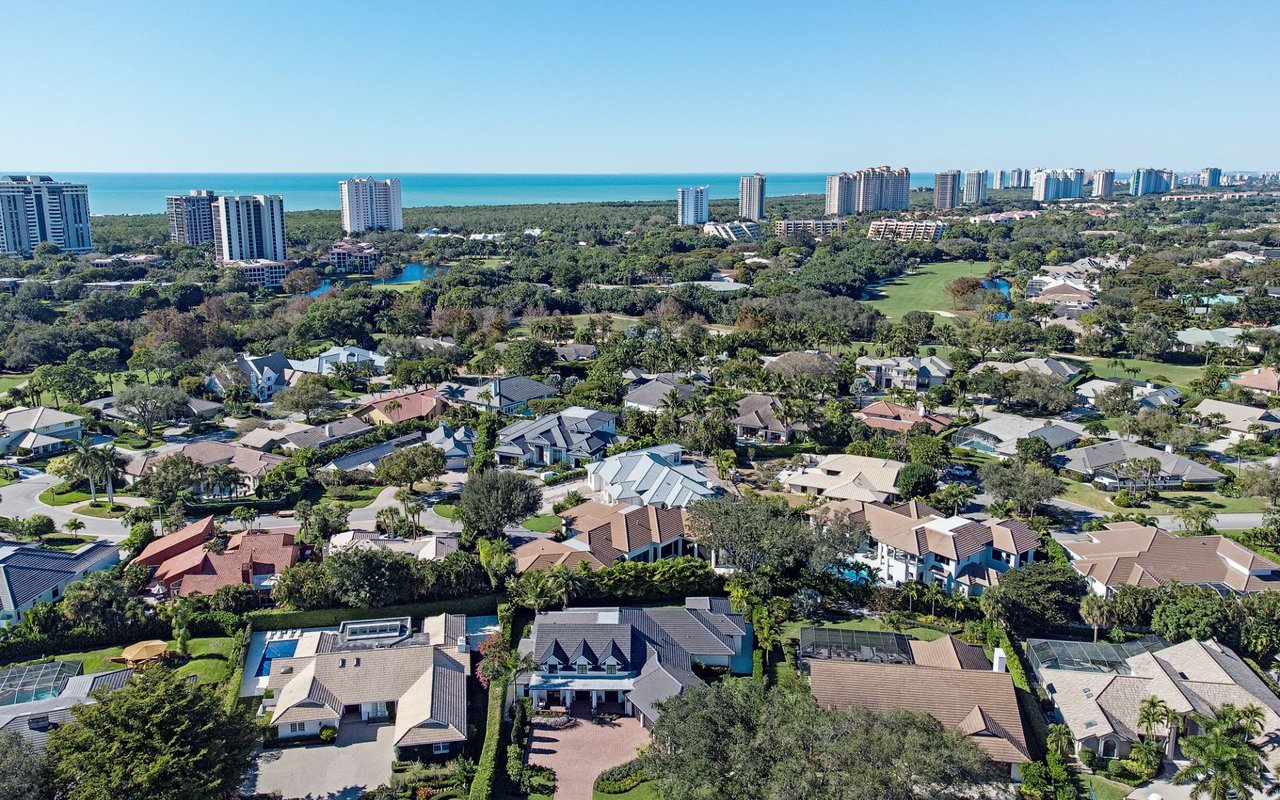
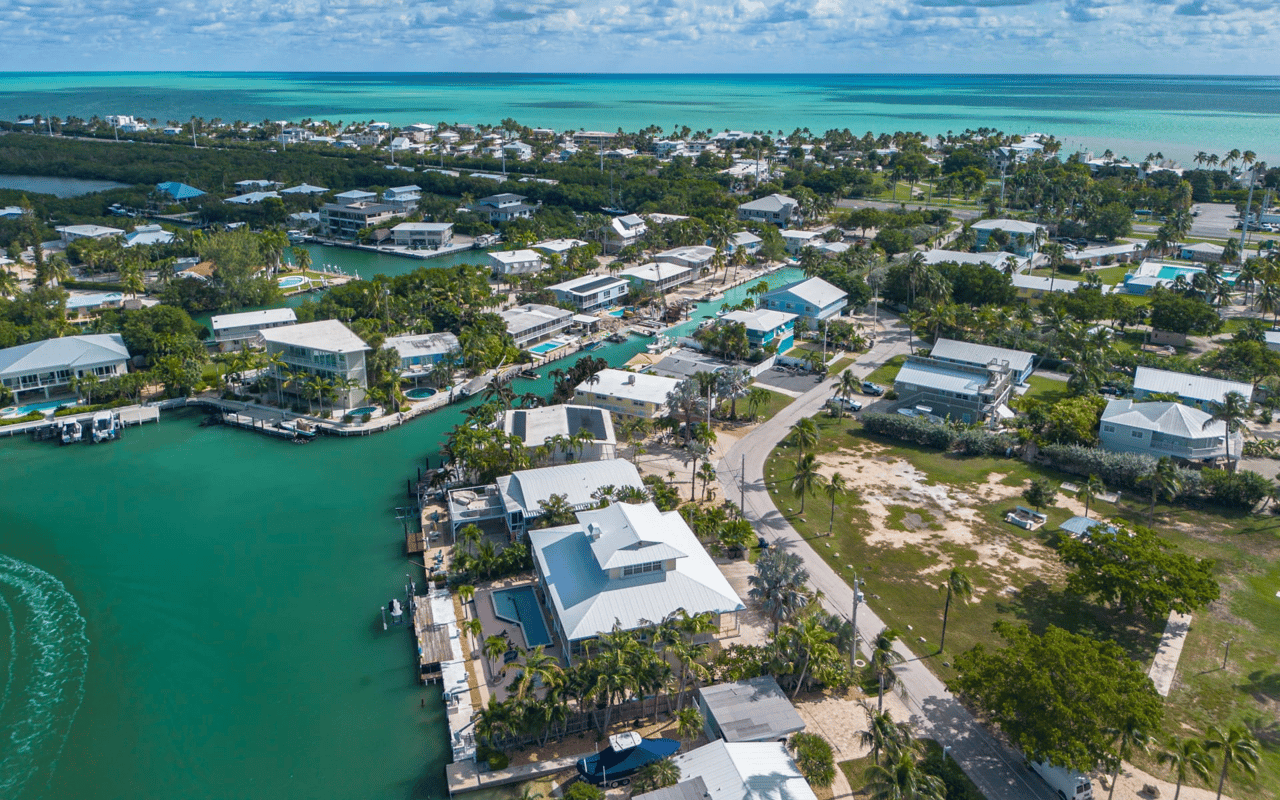
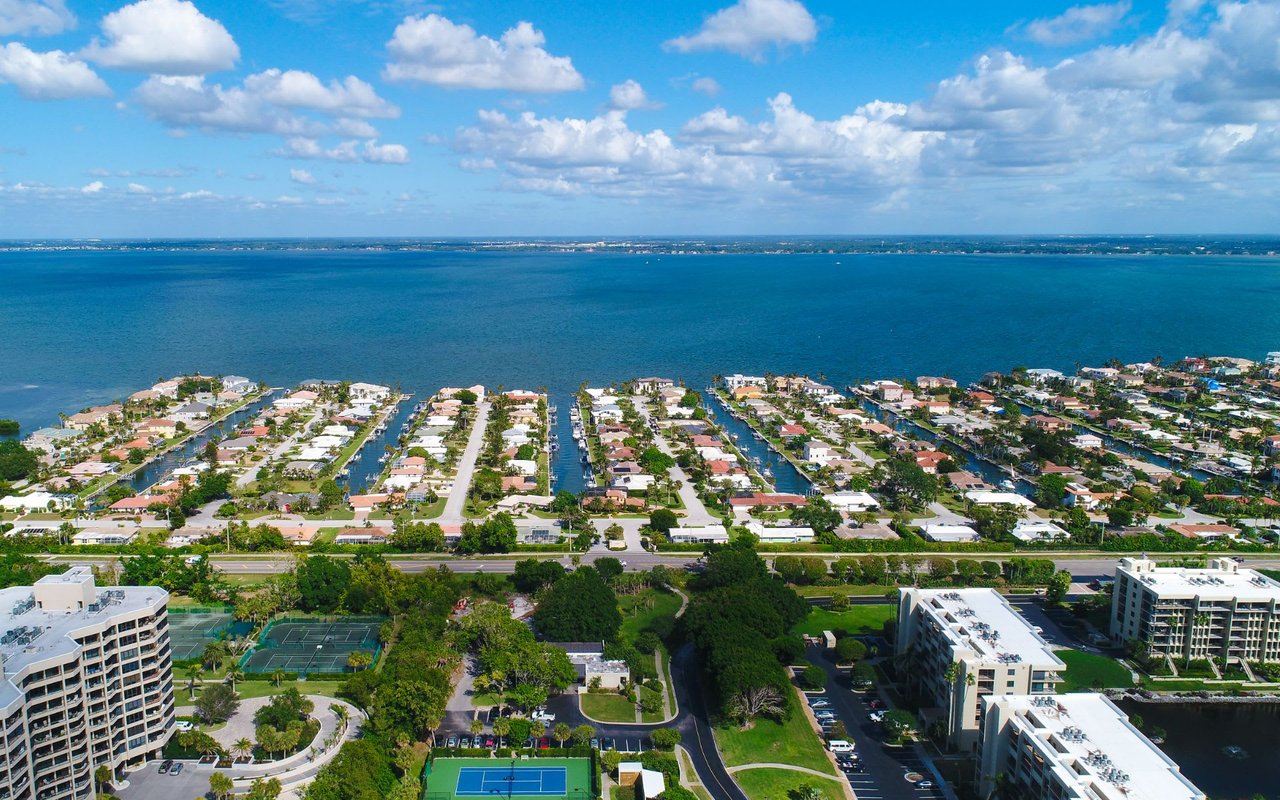
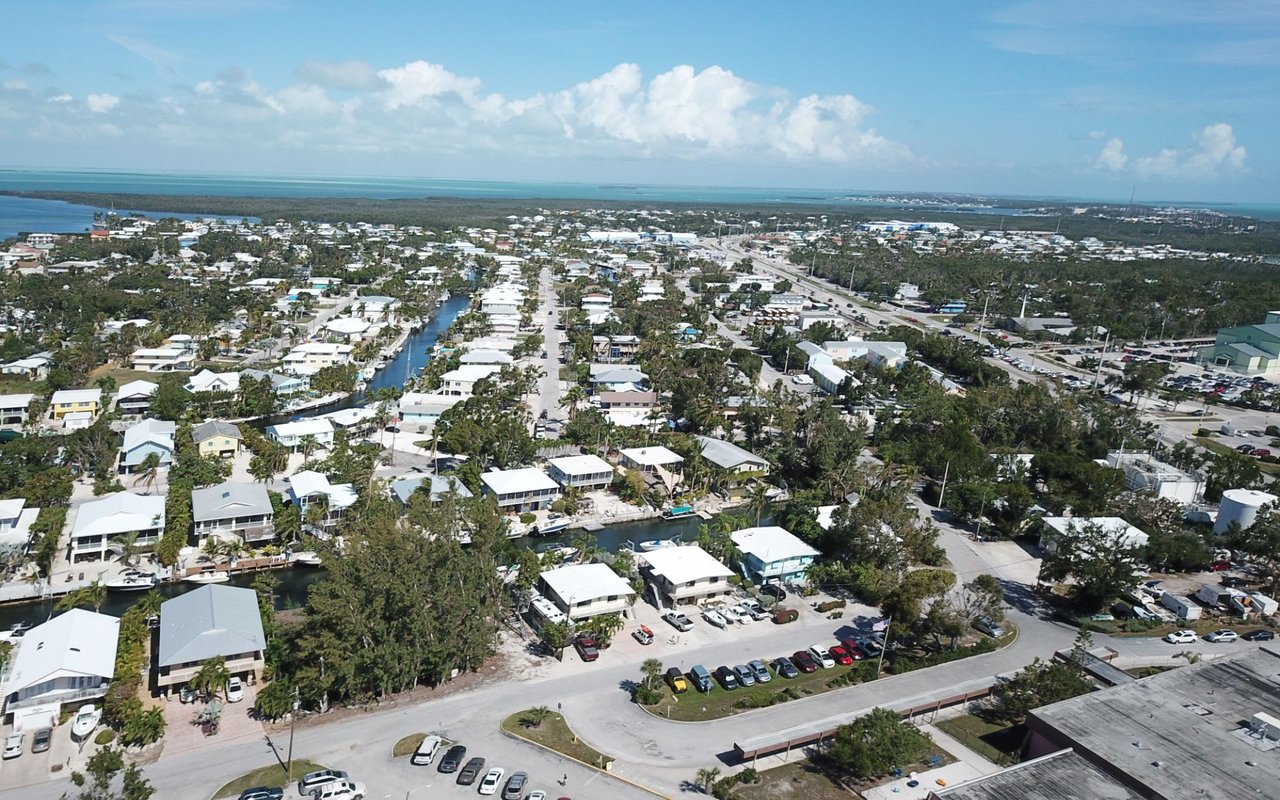
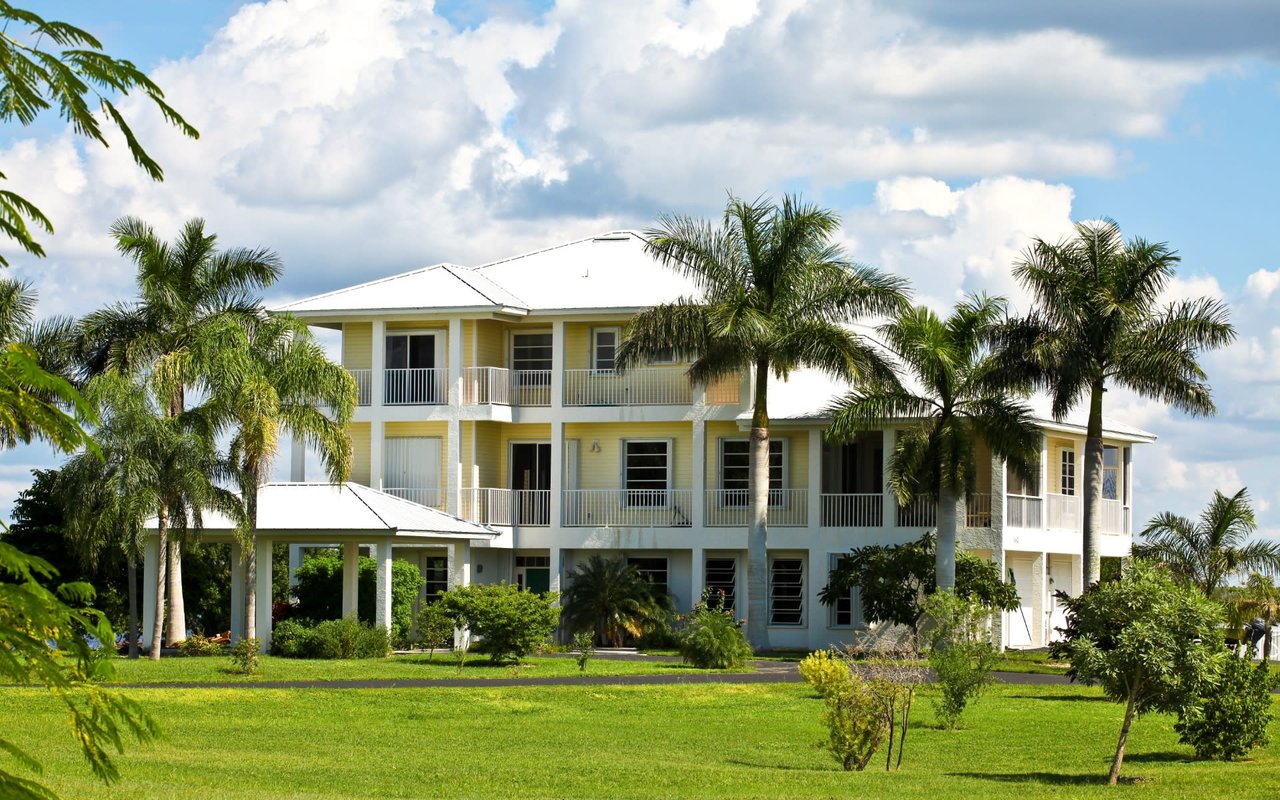
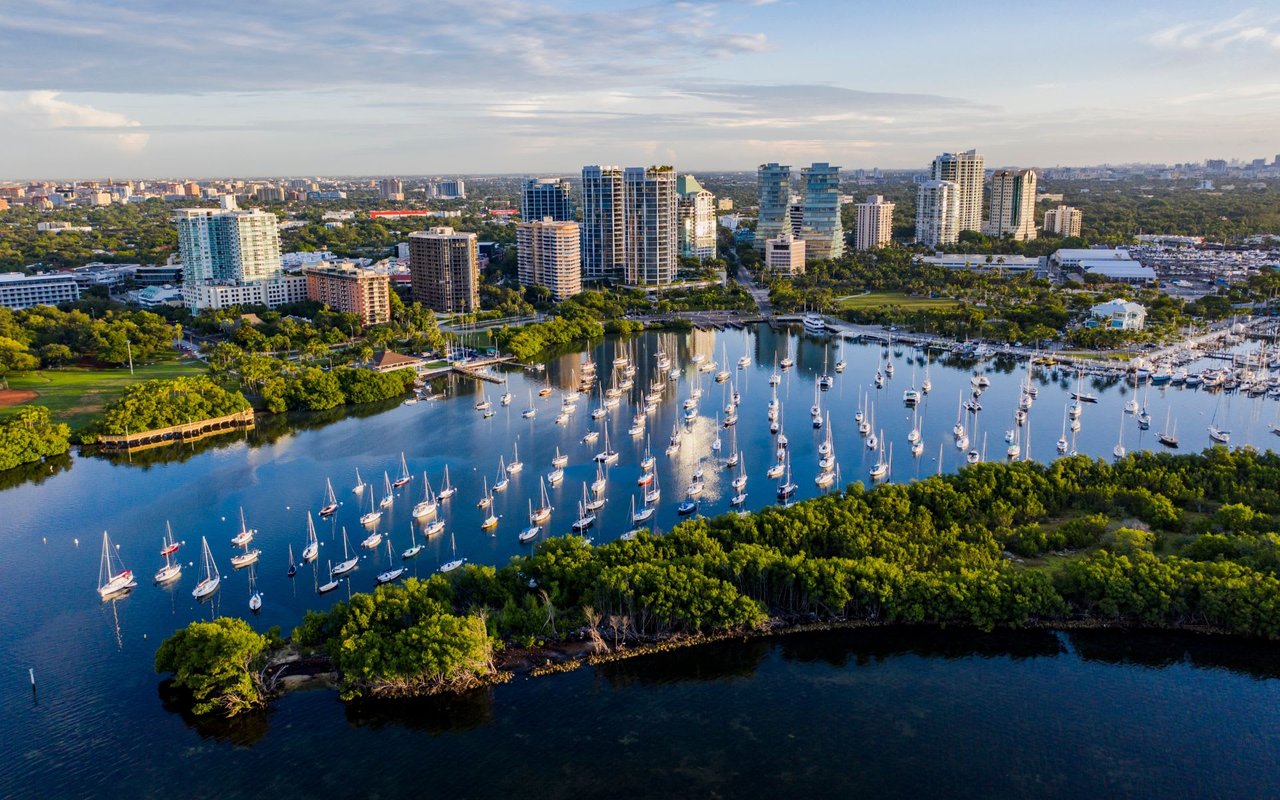
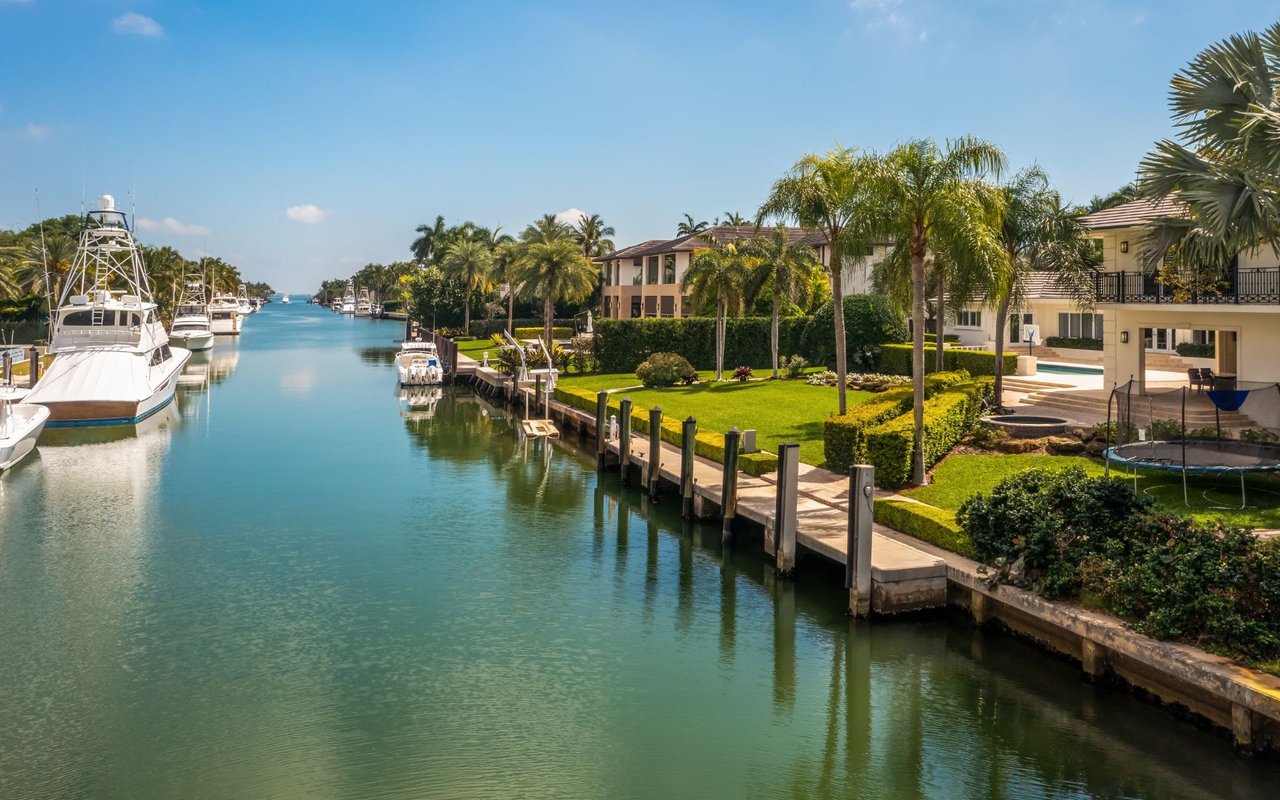
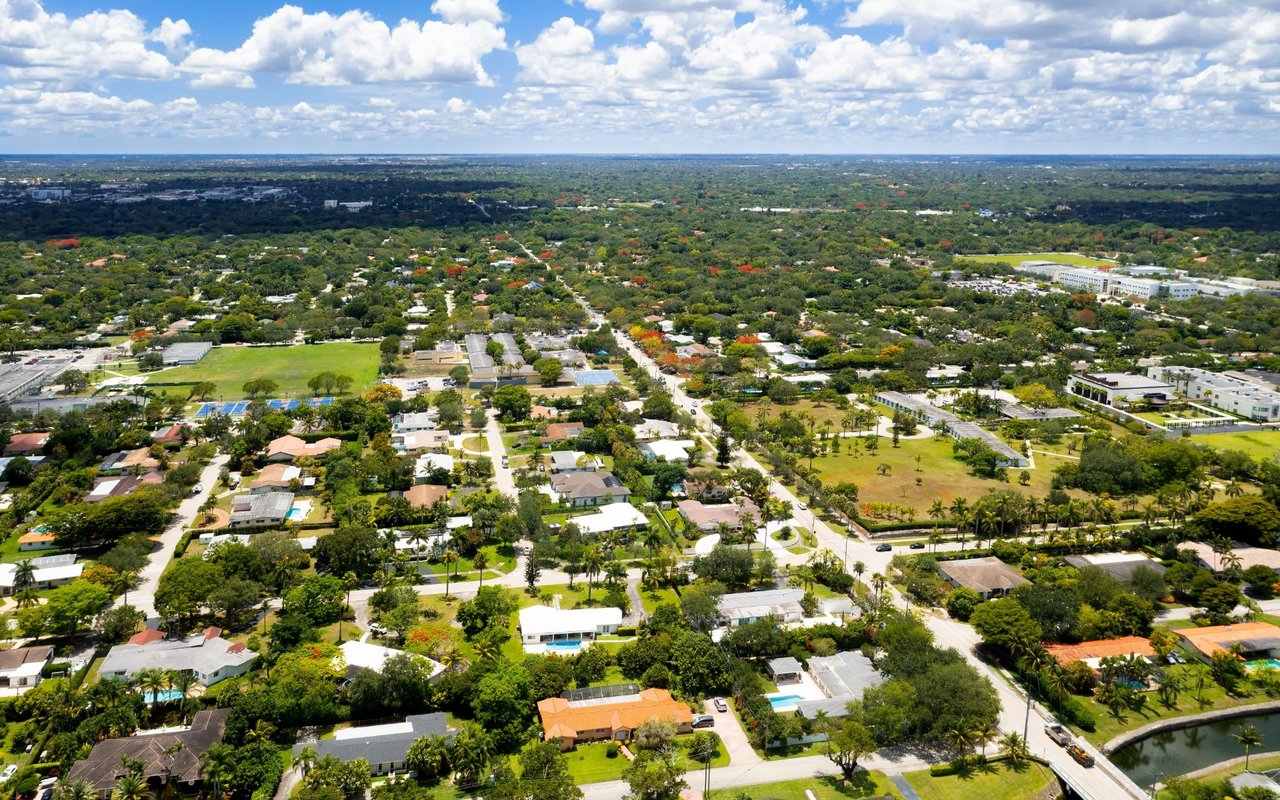
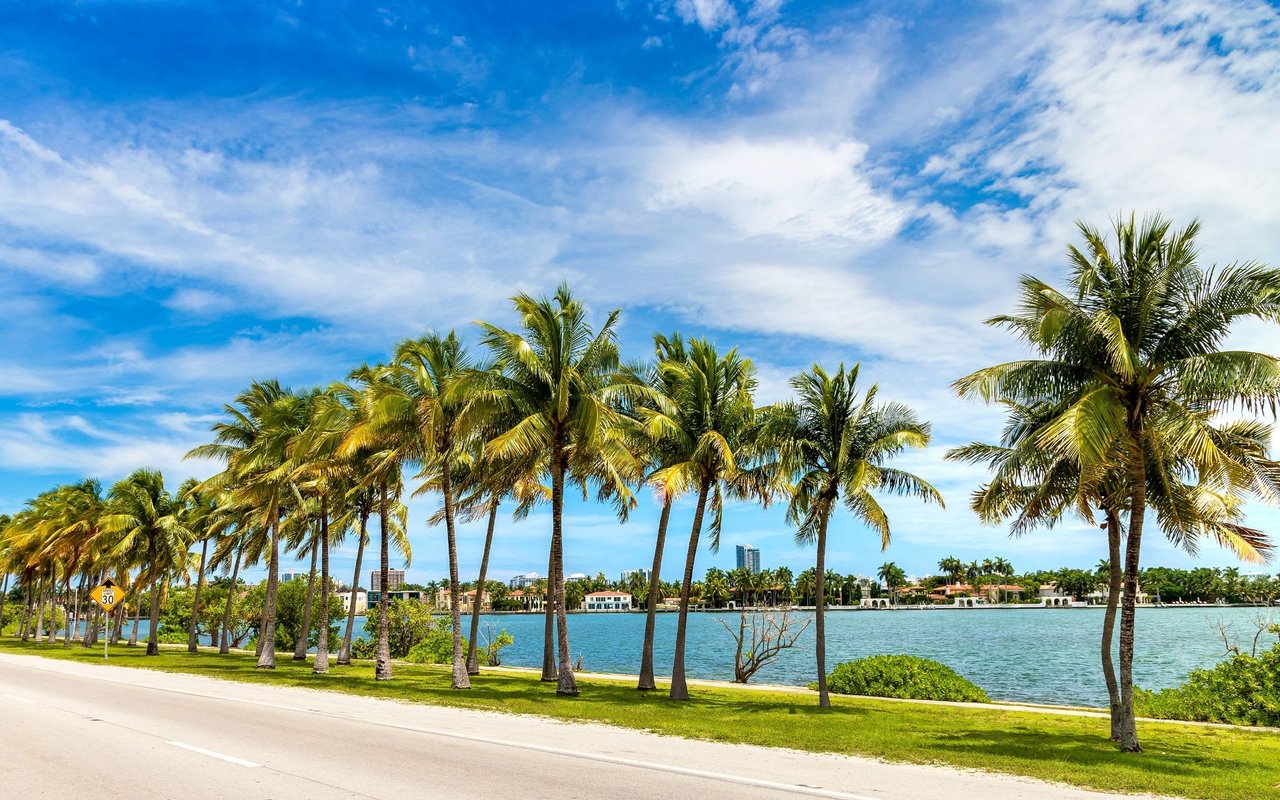
Nestled along Biscayne Bay, Miami Shores exudes a charming, suburban atmosphere just minutes away from the bustling energy of downtown Miami. Characterized by tree-lined streets, a family-friendly ambiance, and a strong sense of community, Miami Shores attracts residents seeking a peaceful yet vibrant lifestyle. The area is home to a mix of architectural styles, from Mediterranean-inspired estates to mid-century modern homes, providing a diverse range of real estate options.
Miami Shores boasts a selection of delightful local eateries and cafes, offering everything from cozy brunch spots to international cuisine. Residents can enjoy a variety of outdoor activities in the neighborhood's parks, golf courses, and the nearby beach. Families appreciate the top-rated schools, making Miami Shores an attractive choice for those with educational priorities. The close-knit community hosts events and gatherings, fostering a sense of unity among residents.
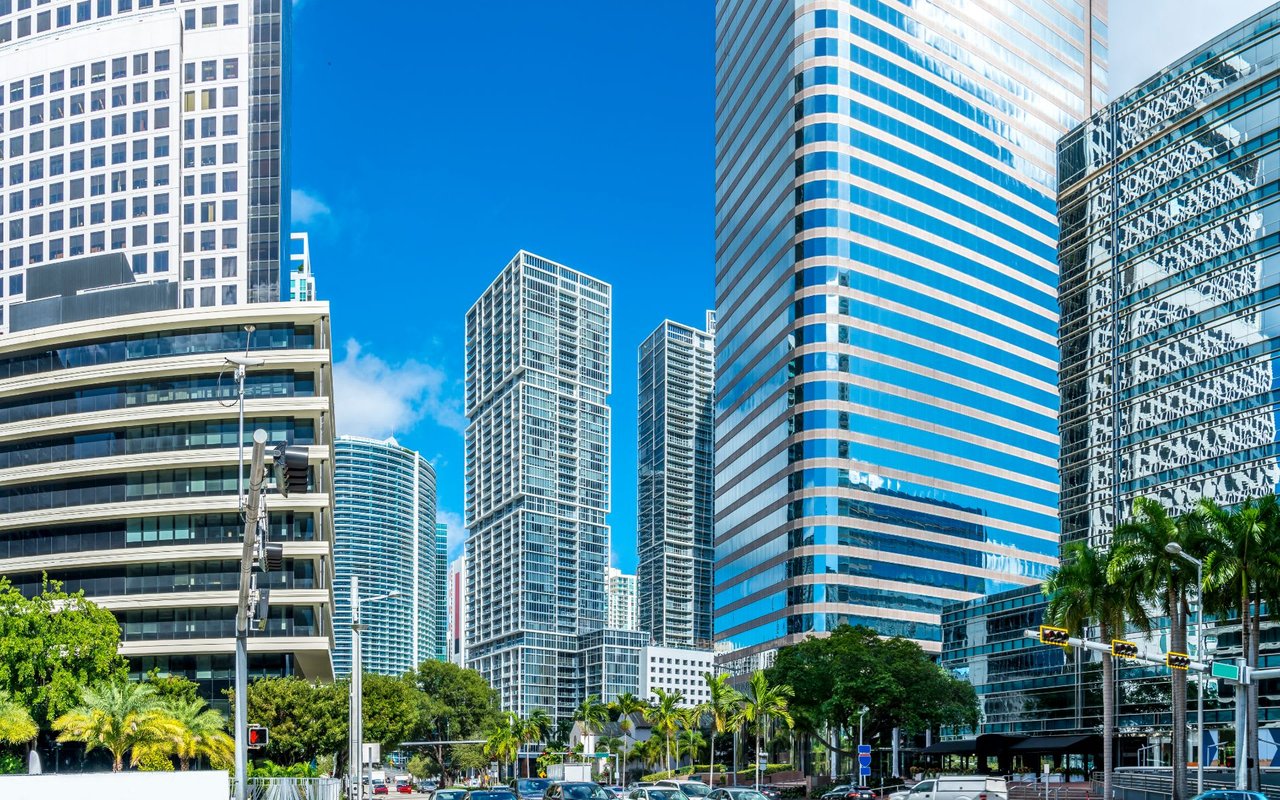
The real estate market in Miami Shores is diverse, catering to various preferences and lifestyles. The community's proximity to major highways ensures convenient access to the vibrant cultural scene and employment opportunities in downtown Miami. Whether you're drawn to the suburban tranquility, excellent schools, or the welcoming community spirit, Miami Shores presents a compelling option for those seeking a blend of suburban comfort and urban accessibility in the Miami area.
Today, Miami Shores holds 25 of Miami-Dade County's 108 National Register historic sites — a concentration unmatched almost anywhere in the county. The Village combines that historic depth with a quiet, low-density residential feel: bay frontage along Biscayne Bay, its own police department, well-regarded schools, a country club, marinas, and neighborhood parks, all within just 3.78 square miles. It isn't built around shopping or nightlife — that's a short drive away — but for buyers seeking an established, architecturally protected community with genuine civic identity, Miami Shores has few real peers in the Miami area.
Miami Shores is a strategic, low-inventory market rather than a fast-moving one. As of mid-2026, closed sales are averaging around $1.4M while active listings average roughly $2.6M — a wide spread that reflects disciplined buyers and sellers still testing higher price points rather than a market in distress. Price per square foot tells a similar story: recent buyers are paying around $683/sq ft against seller asks near $846/sq ft, a roughly 24% gap.
Supply remains tight, with a sales-to-inventory ratio around 6.6-to-1, giving sellers real leverage even as buyers negotiate an average discount of roughly 7% off list. Over the past 12 months, sales volume has stayed steady at over 150 closed transactions — a sign of consistent liquidity in a neighborhood with genuinely limited turnover.
What is the average home price in Miami Shores, FL?
Closed sales have averaged around $1.4M over the trailing 12 months through mid-2026, while active listings average closer to $2.6M — reflecting a market where sellers are testing higher price points and buyers remain selective and comparable-sales driven.
What types of homes are available in Miami Shores, FL?
The Village is predominantly single-family homes, many built in the original 1920s–1960s Mediterranean Revival style, alongside renovated historic properties and newer custom construction. Waterfront homes along Biscayne Bay carry a significant premium.
Is Miami Shores a good place for families?
Yes. The Village has its own schools, parks, a country club, an aquatic center, and a strong civic identity built around community life — a notably quieter, more residential alternative to much of Miami-Dade.
How are the commuting options from Miami Shores?
Most residents rely on personal vehicles, with Biscayne Boulevard providing direct access to downtown Miami and surrounding areas. The Village's free Shores Shuttle connects residential areas to local schools and commercial corridors, and Miami-Dade Metrobus serves the area's major streets.
What is the lifestyle like in Miami Shores?
Life in Miami Shores centers on its historic Mediterranean Revival architecture, tree-lined streets, bay access, parks, and a genuinely small-town civic culture — churches, a women's club, a country club, and a police department that predate most of Miami-Dade's modern suburbs.
Is Miami Shores a good real estate investment?
Home values have climbed steadily, with Zillow reporting an 8.2% year-over-year increase as of mid-2026. Limited inventory, historic-preservation status on many properties, and steady demand support long-term stability, though the wide gap between asking and closing prices means pricing precision matters more here than in faster-moving markets.
There's plenty to do around Miami Shores, including shopping, dining, nightlife, parks, and more. Data provided by Walk Score and Yelp.
Explore popular things to do in the area, including Sandwich Mill, Galpon, and Miami Shores Tennis and Pickleball.
| Name | Category | Distance | Reviews |
Ratings by
Yelp
|
|---|---|---|---|---|
| Dining | 0.71 miles | 0 reviews | 0/5 stars | |
| Dining | 0.81 miles | 0 reviews | 0/5 stars | |
| Active | 0.13 miles | 1 review | 5/5 stars | |
| Active | 0.95 miles | 0 reviews | 0/5 stars | |
| Active | 0.96 miles | 16 reviews | 5/5 stars | |
| Beauty | 0.96 miles | 11 reviews | 5/5 stars | |
|
|
||||
|
|
||||
|
|
||||
|
|
||||
|
|
||||
|
|
Miami Shores has 3,653 households, with an average household size of 2.77. Data provided by the U.S. Census Bureau. Here’s what the people living in Miami Shores do for work — and how long it takes them to get there. Data provided by the U.S. Census Bureau. 11,627 people call Miami Shores home. The population density is 4,676 and the largest age group is Data provided by the U.S. Census Bureau.
Total Population
Population Density Population Density This is the number of people per square mile in a neighborhood.
Median Age
Men vs Women
Population by Age Group
0-9 Years
10-17 Years
18-24 Years
25-64 Years
65-74 Years
75+ Years
Education Level
Total Households
Average Household Size
Average individual Income
Households with Children
With Children:
Without Children:
Marital Status
Blue vs White Collar Workers
Blue Collar:
White Collar: